Not every hive keeps up this time of year, and sometimes it’s not obvious why. Weak hives can struggle with brood, population, or foraging even when everything around them looks great. The key is figuring out what’s holding them back—and knowing when to help them along or when it’s time to move on.
This article breaks down how much and when to feed pollen patties, how to avoid Small Hive Beetles, and what to do if your bees aren’t eating them—covering the essentials for effective protein feeding.
Beekeepers mix sugar syrup by weight, volume, or guesstimate—but which method really works best? There’s more to consider than you might think, and a few surprising insights could change the way you feed your bees.
Drawing comb takes a lot more resources than most people realize—about 10 pounds of honey just to make 1 pound of wax. That’s why feeding syrup can make such a big difference. Whether you’re working with a new hive, adding boxes, or getting supers ready before the flow, giving bees a steady food source helps them build comb faster so they can focus on growing and producing when it really counts.
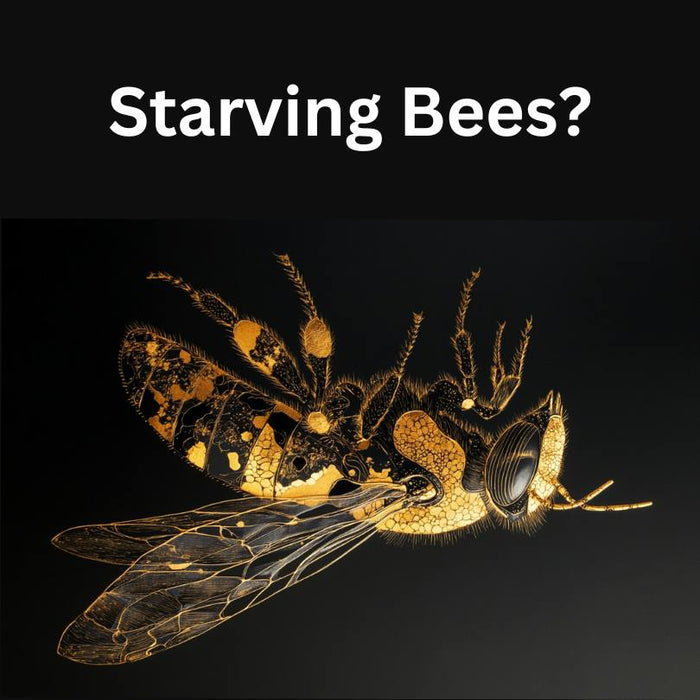
As summer progresses, our bees are likely to struggle to keep up with the demands the nest requires. Here are seven signs that starvation could be occurring in your hive.