

How to Use Green Drone Frames for Varroa Management (and What to Do When That’s Not Enough)
Green drone frames are a one-piece plastic frame imprinted with a larger cell pattern to encourage worker bees to build drone comb. Varroa mites prefer drone brood over worker brood because drone cells are capped about three days longer. That extra time allows mites to produce more offspring, making drone brood a natural “trap” for them. When used correctly, drone frames can be an effective way to reduce mite loads and stay ahead of an infestation.

That said, mites don’t always cooperate with our plans. Even with diligent IPM practices, there are times during honey flow when mite levels start to rise—and ignoring it because its nectar flow is not a good option. The key is knowing what tools you can use without pulling your honey supers.
There are a couple of treatments labeled for use during honey flow, with honey supers in place. Formic acid treatments (such as Formic Pro) is probably the most commonly used in this situation. One of the advantages of formic acid is that it penetrates capped brood, meaning it can kill mites where they reproduce—not just the ones on adult bees.
However, it does come with some very specific considerations. Temperature matters—a lot. If it’s too hot, you risk stressing the colony or even harming the queen. Ventilation, proper placement, and strictly following label directions are all critical with this treatment. With an effective rate of upwards of 97%, this method should be considered when mite levels are above 2% during nectar flow.
Another option is Hop Guard, which is derived from hop compounds. It’s generally considered a bit “softer” on the colony and can be used during honey flow as well. The tradeoff is that it typically requires multiple applications to achieve optimal results and mainly targets phoretic mites (mites on adult bees), rather than those under capped brood. Because of that, timing and follow-up applications become important if you’re relying on it.
The main consideration here is that just because treatments are allowed during honey flow doesn’t mean they should be your first move. If you’ve been using drone frames, monitoring mite levels, and staying proactive, you may be able to avoid treating altogether during this window. But if mite counts tell you otherwise, it’s far better to act than to let populations explode going into summer.
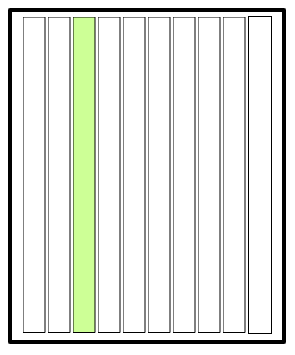
How To Use Drone Frames:
• Place one drone frame in each hive in frame position 3.
• Leave it in place for 2–3 weeks (drone brood takes 24 days from egg to emergence).
• Remove the frame before the drones emerge to avoid creating a “mite bomb” in your hive—which would defeat the purpose.
• Freeze the frame overnight. Then remove it and allow it to return to room temperature.
• Use a capping scratcher to break open the cells, then return the frame to the hive so worker bees can clean out the dead drones and mites.
• Repeat the cycle as the bees’ refill and cap the cells.
Used consistently during population increase, this method can make a noticeable difference in your mite levels over time. It’s simple, cost-effective, and can easily be included in regular hive inspections. Combined with careful monitoring and, when needed, properly timed treatments, it’s a valid, non-chemical approach to keeping your colonies mite loads down.
The biggest takeaway is this—going into summer with low mite loads matters more than anything you do later. Once mite populations get ahead of you, the damage they cause is a silent killer. Staying on top of it, even during nectar flow, helps prevent issues during the hot summer months when colonies already have enough working against them, like heat and dearth.
By: Chari Elam