
The Bee Supply Monthly
RSS-
-
Late Fall and Winter Hive Inspections
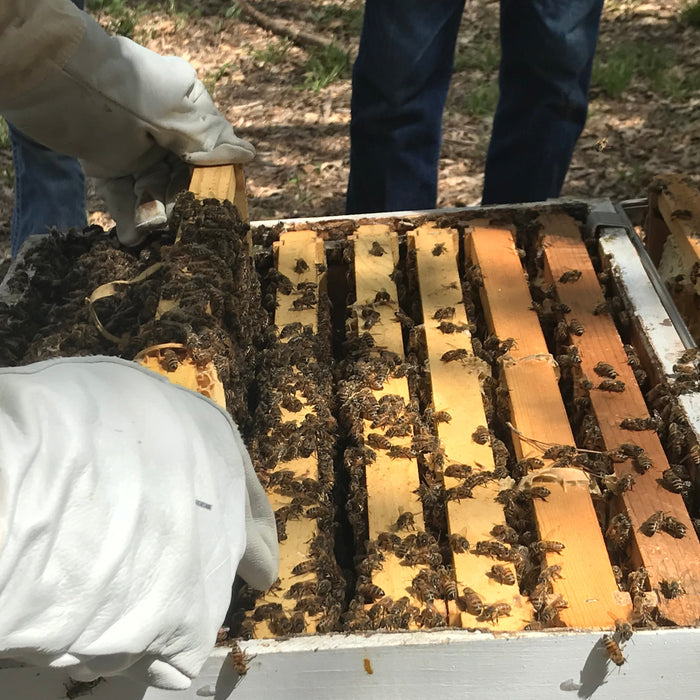
Read nowEven in late fall, it’s important to take a quick look inside your hives. With just a few simple steps, you can safely check food stores and population without stressing the bees—even on chilly days. A fast 30-second inspection can reveal exactly how your colony is doing heading into winter.
-
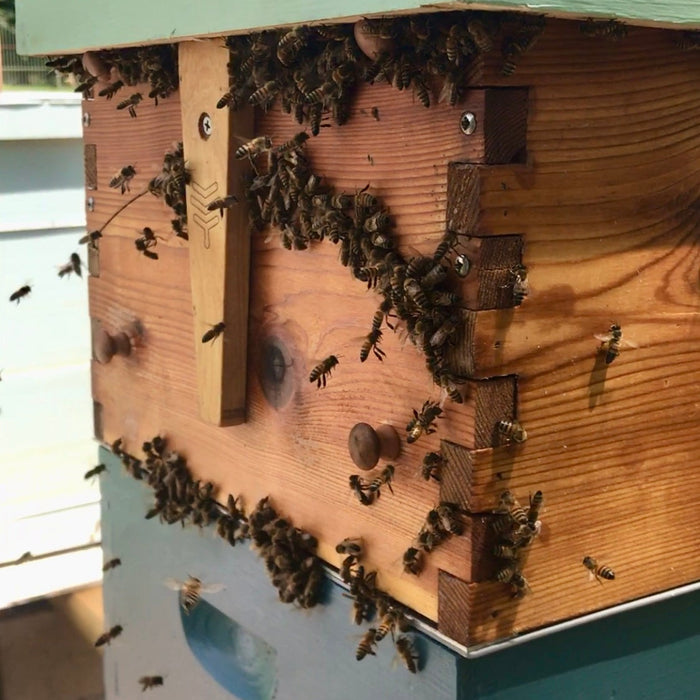
How to Tell When Your Hive Is Being Robbed in Late Fall or Winter and What to Do About It
Read nowWhen temperatures drop and nectar dries up, some colonies turn on their neighbors. If one hive is buzzing louder and flying more frantically than the rest, it’s not extra healthy—it’s likely under attack. Learn how to recognize robbing behavior, what to do if it happens, and how to prevent it next time.
-
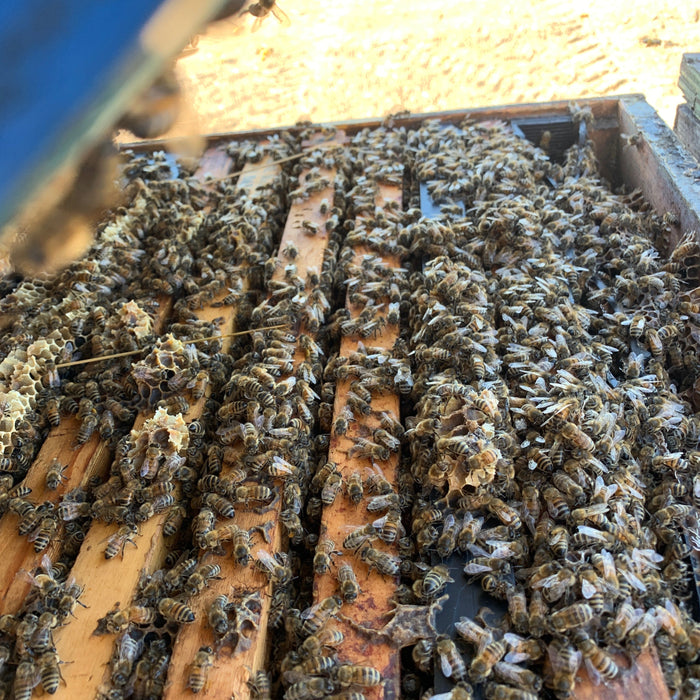
Equalizing Colonies: One of the Easiest and Most Overlooked Beekeeping Skills
Read nowStrengthening weaker colonies is one of the most rewarding skills in beekeeping—and one of the most practical. By transferring brood, bees, and even foragers from a booming hive to one that’s fallen behind, you can jumpstart recovery and set the stage for winter success.
-
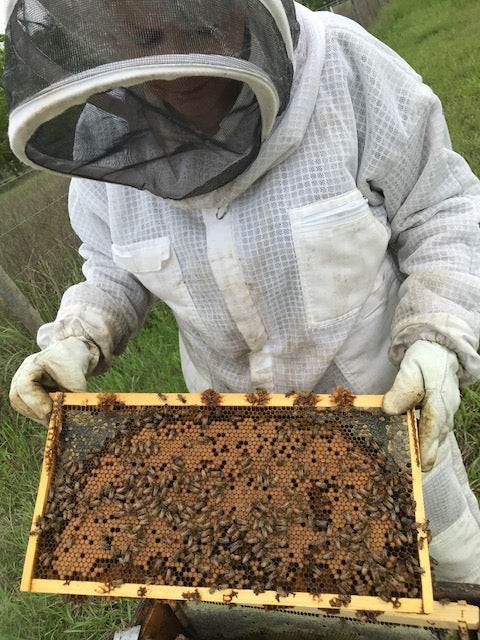
A Practical Approach To Hive Inspections: What To Look For And When To Take Action
Read nowHive inspections don’t have to be overwhelming. Learn the difference between quick hive checks and full inspections, what to look for (like brood health, pests, and space needs), and how to take action based on what you find. Practical, seasonal tips to help you keep your colonies thriving year-round.
-
Surviving the Summer Dearth: What Your Bees Need Now
Read nowLearn how to help your bees survive the summer dearth with smart feeding, pollen supplements, and reliable water sources. Spot the signs of stress, prevent robbing, and keep your hive healthy through summer's toughest conditions.